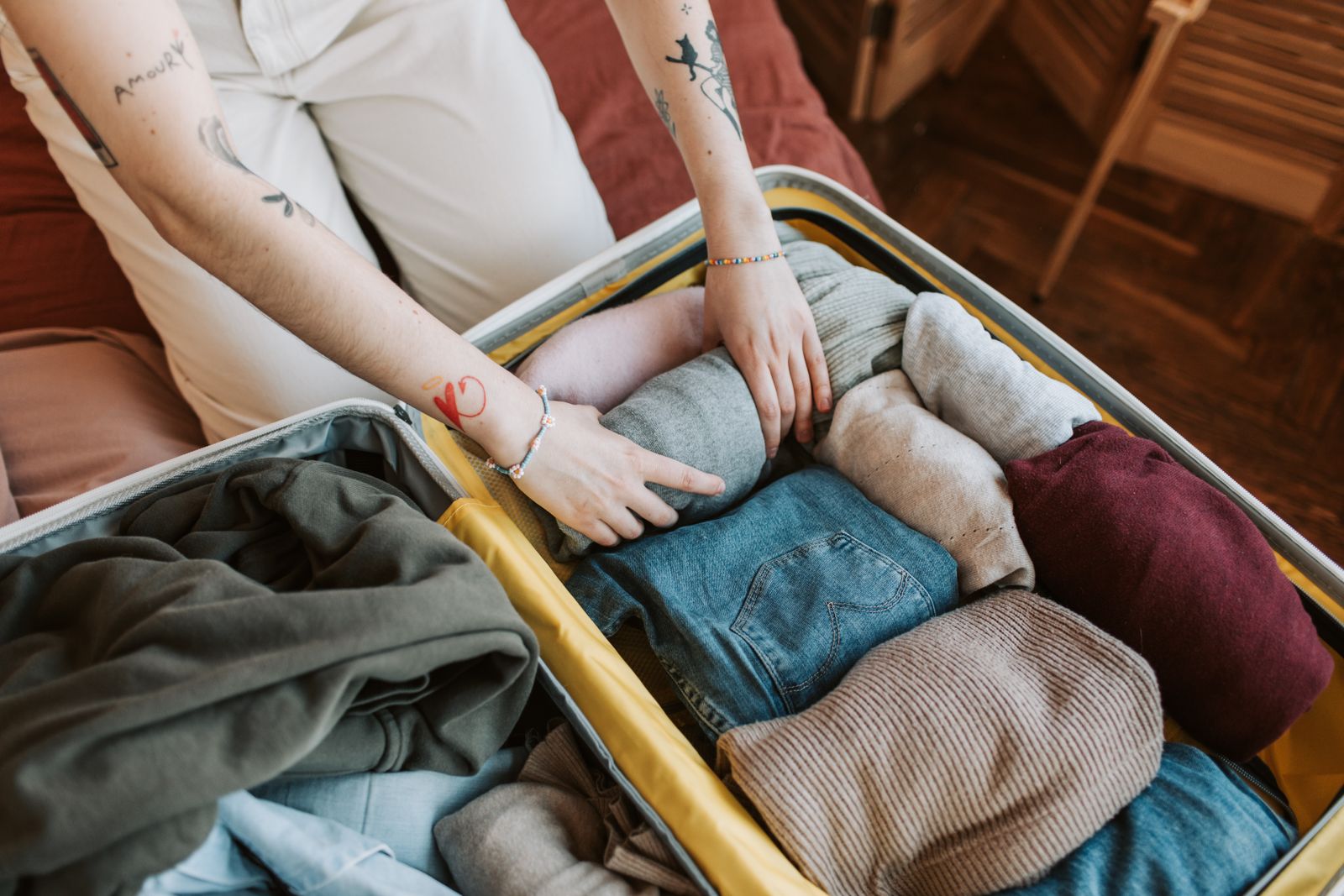
The hostel dinner starts at seven. You enjoyed the morning walking tour, but now you want a quiet meal and an early night. You can decline without turning the decision into a judgment about whether you are traveling properly.
Useful solo travel tips for introverts begin with control over the day: where you sleep, how you meet people, and when you can leave an activity. You do not need to make every hour social or every hour solitary. Our first solo trip guide covers the booking sequence; this article helps you decide what to put inside it.
Choose accommodation by its daily rhythm
Room type matters, but so does the setting. A private hostel room may still face a courtyard used for late-night events. A small hotel may be quiet yet require frequent interaction to arrange access. Read reviews for concrete descriptions of noise, shared spaces, and reception.
If you want occasional company, look for an optional common area or activities you can join individually. If privacy is your priority, check whether you can enter, eat, and rest without relying on communal plans. Neither preference requires an apology.
Use our accommodation checklist to investigate the property. Ask direct questions about room location and quiet hours before paying, and keep the answer with your booking. An attractive photo cannot tell you how the building sounds at midnight.
Give the day one anchor, then leave space
A single booked activity can provide structure and company without filling the calendar. Choose something you want to learn or see: a gallery tour, cooking class, or guided neighborhood walk. Check the group size, language, meeting point, and advertised end time.
Leave the next block open. If you enjoy the group, you can accept lunch. If you are ready to leave, you already have a plan that does not depend on them. Booking a second activity immediately afterward removes that choice.
When comparing destinations, use the worldwide destination guide to shortlist places with activities you would enjoy alone. Then research whether the specific museums, restaurants, and transport you want fit your preferred routine.
Try this sample day
This example is a scheduling template, not a requirement to keep exact hours. Change it around your sleep, interests, and local opening times.
| Part of the day | Plan | Decision you keep |
|---|---|---|
| Morning | Breakfast alone, then one prebooked small-group activity | Whether to chat before it starts |
| Lunch | A nearby restaurant with a menu you have checked | Eat with someone from the group or on your own |
| Afternoon | One independent museum or neighborhood visit | Leave early or take a long seated break |
| Early evening | Return to your room and review tomorrow | Decide later whether to go out again |
| Dinner | A nearby booking or a simple meal at your base | Keep the evening short without disrupting anyone else's plans |
The important space is the gap after the group activity. You can use it according to how you feel rather than following a social commitment made several days earlier.
Make the first solo meal easy to begin
Choose a restaurant close to your accommodation for the first evening. Look at the menu and booking policy beforehand. If you dislike standing in a crowded doorway deciding what to do, arriving with a reservation or clear ordering instructions can remove that friction.
Ask for the seating you prefer: “A table for one, please,” or “Is there a quieter table available?” Counter seating is an option, not an obligation. Take a book if you enjoy reading, and put it away if you would rather watch the room.
Our Tokyo guide can be a starting point for a trip with independent dining and activities; check the individual venues you want to use. The Tokyo–Kyoto itinerary shows how to keep enough time in each base to establish a routine.
Illustrative preparation photograph from Pexels, used under its license.
Use short answers for invitations
You can be friendly and specific without explaining your personality. Try “I enjoyed the tour. I'm taking the afternoon on my own,” or “I'd like coffee, but I need to leave by three.” A defined limit makes an invitation easier to accept when you do want company.
For an invitation you do not want, “Thanks, I'm staying in tonight” is enough. You do not need to invent a friend waiting elsewhere. If someone ignores a clear refusal, prioritize leaving the situation over making the answer more persuasive.
Keep transport and accommodation arrangements independent of new acquaintances until you decide otherwise. The safety handbook covers broader practical preparation, including keeping control of the journey home.
Separate quiet time from a trip that is not working
After a long travel day, wanting to be alone may simply mean you need dinner and sleep. After several quiet days, you may want more interaction than expected. Check what you actually need before changing the entire itinerary.
You can add a class, return to a familiar cafe, or arrange a call with someone at home. You can also cancel an optional outing and spend the afternoon reading. These are ordinary adjustments to a holiday, not a test of whether you are suited to solo travel.
If you are planning a first independent trip later in life, our guide for women over 50 adds practical questions about pace and accommodation without assuming everyone wants the same experience.
Keep tomorrow small enough to choose again
At the end of each day, decide on one useful plan for the morning. Confirm opening times, transport, and any booking, then leave some uncommitted time after it. Use the destination directory when you want to compare a different base for a future trip.
You can enjoy company and still want your own room. You can travel independently and book a group activity. Build the day around those choices, with enough room to change your mind after breakfast.